

ADThis guide contains affiliate links — if you buy through them we may earn a small commission at no extra cost to you. It never affects what we recommend. How we choose products
Need expert help now? Find a listed exotic vet near you.
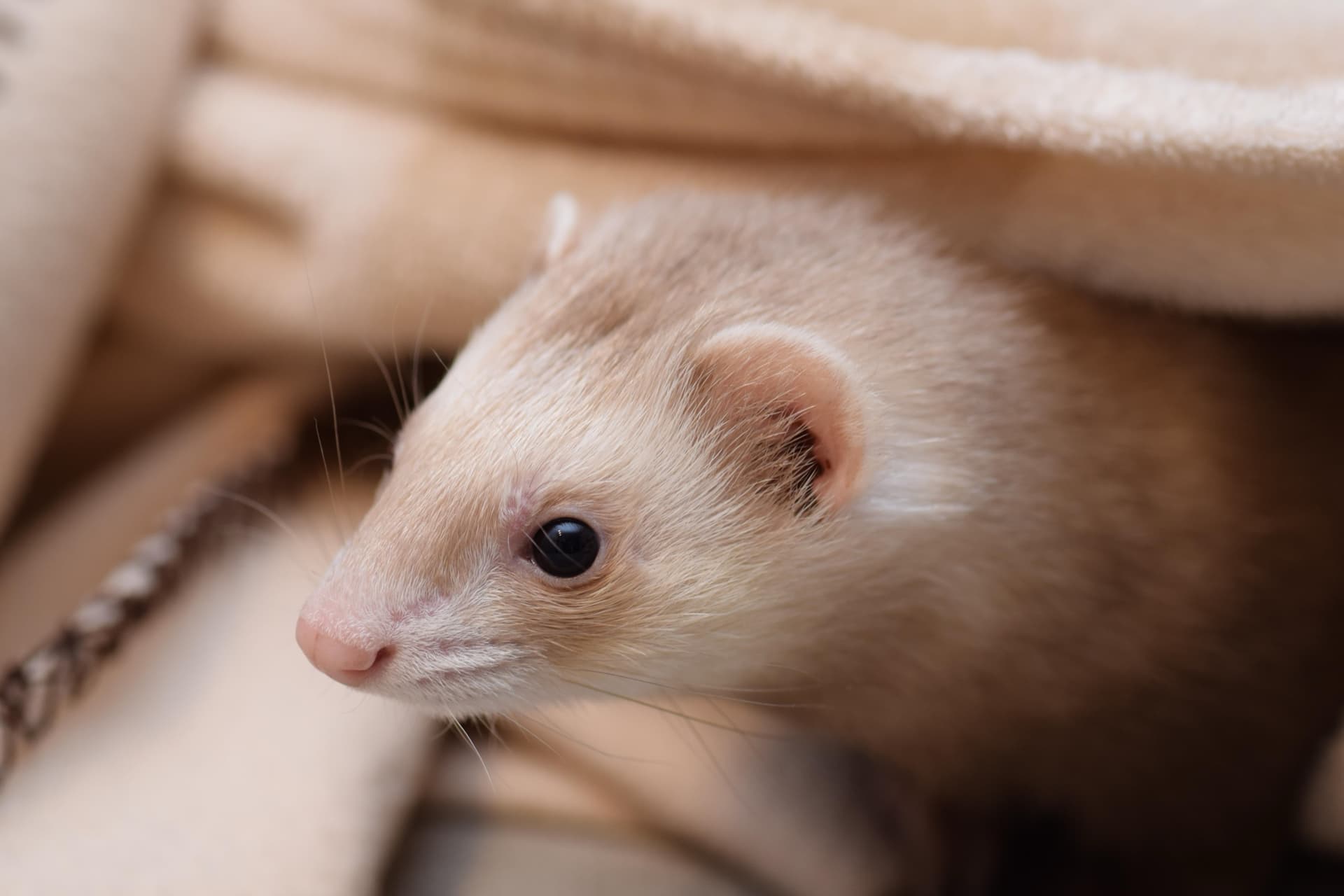
Yes, ferrets are completely legal to own as pets in the UK. No licence, no permit, no DWA application — just a commitment to proper care under the Animal Welfare Act 2006.
But "legal" doesn't mean "simple." There are welfare laws, a new voluntary keeper register, import rules, and veterinary requirements that every ferret owner in the UK needs to understand.
Quick Answer
Quick Answer: Ferrets are legal in the UK with no licence required. Cost: £10-£100 per ferret. Setup: £250-£500. Monthly costs: £30-£60. Key requirements: Animal Welfare Act compliance, distemper vaccination (£60 initial, £40/year), neutering recommended (£70-£110). APHA runs a voluntary keeper register that may become compulsory. Find an exotic vet →
📋 Table of Contents
- Legal Status: What UK Law Says
- The APHA Mustelinae Keeper Register
- Animal Welfare Act Requirements
- Ferret Costs in the UK (2026)
- Veterinary Requirements & Costs
- Where to Buy Ferrets in the UK
- Housing & Space Requirements
- Import Rules: Bringing Ferrets Into the UK
- Ferrets vs Other Exotic Pets
- Common Myths About Ferret Legality
- Frequently Asked Questions
Legal Status: What UK Law Says
Ferrets (Mustela putorius furo) have been domesticated in the UK for over 2,000 years — they were originally used for hunting rabbits. Unlike many exotic pets, ferrets are not listed under the Dangerous Wild Animals Act 1976, which means:
- No DWA licence required (unlike servals, raccoons, or venomous snakes)
- No CITES permits needed (ferrets are domesticated, not wild-caught)
- No local council approval necessary (though some landlords may restrict them)
- No age restriction on ownership (though the RSPCA recommends adult supervision with children)
Ferrets are classified alongside cats and dogs in UK law — domestic animals covered by general animal welfare legislation rather than exotic-specific regulations.
However, there are two important legal frameworks every ferret owner must know about.
The APHA Mustelinae Keeper Register
The Animal and Plant Health Agency (APHA) operates a voluntary register for ferret and mustelinae keepers in England, Scotland, and Wales.
What is it? A database of ferret owners that APHA uses to contact keepers with disease prevention guidance during outbreaks (particularly avian influenza and other zoonotic diseases).
Is it compulsory? Not yet — but the government has indicated it is likely to become mandatory in the future, particularly for keepers with multiple ferrets.
Should you register? Yes, for three reasons:
- You'll receive early warnings about disease outbreaks in your area
- You demonstrate responsible ownership
- When it becomes compulsory, you'll already be compliant
How to register: Contact APHA directly through the GOV.UK ferret keeper register page.
Animal Welfare Act Requirements
The Animal Welfare Act 2006 (England and Wales) and Animal Health and Welfare (Scotland) Act 2006 apply to all ferret owners. Under these laws, you must provide:
The Five Welfare Needs:
- Suitable environment — A cage minimum 90cm x 60cm x 60cm per ferret, plus daily access to a ferret-proofed room or secure outdoor area
- Suitable diet — High-quality ferret kibble or raw diet with 34-40% protein and 15-20% fat
- Ability to exhibit normal behaviour — Tunnels, hammocks, toys, and 4+ hours of supervised play daily
- Housed with or apart from other animals — Ferrets are social; pairs or groups recommended by the RSPCA
- Protection from pain, suffering, injury, and disease — Regular vet check-ups, vaccinations, and neutering
Failure to meet these needs is a criminal offence punishable by up to 5 years imprisonment and an unlimited fine under the Animal Welfare (Sentencing) Act 2021.
Ferret Costs in the UK (2026)
Here's what you'll actually spend:
Buying a Ferret
Initial Setup Costs
Monthly Ongoing Costs
Recommended Products (UK)
Here's what experienced UK ferret owners recommend:
- 🛒 Multi-level Ferret Cage — Look for minimum 90x60x60cm with ramps and platforms
- 🛒 Ferret Hammock Set — Essential for sleeping; ferrets spend 14-18 hours asleep daily
- 🛒 High-Protein Ferret Food — Must be 34-40% protein, 15-20% fat; avoid cat food
- 🛒 Corner Litter Tray — Ferrets naturally toilet in corners; corner trays work best
- 🛒 Ferret Tunnels & Toys — Tunnels are the number one enrichment item for ferrets
- 🛒 Ferret Harness & Lead — For supervised outdoor walks; always use an H-harness, never a collar
For a comparison with other exotic pets, see our exotic vet cost guide and electricity calculator for heating costs.
Veterinary Requirements and Costs
Ferrets need specialist exotic vet care. Not all general practice vets have experience with mustelids — similar to how reptiles need specialist vets.
Essential Veterinary Care
Critical health note: Unneutered female ferrets (jills) can develop aplastic anaemia if they come into season without mating — this is potentially fatal. Spaying or using a hormonal implant (Suprelorin, £80-£150) is essential.
Find an exotic vet experienced with ferrets near you →
Where to Buy Ferrets in the UK
Rescue First: The RSPCA and specialist ferret rescues like the National Ferret Welfare Society often have ferrets available. Rescue ferrets are usually neutered, vaccinated, and temperament-assessed.
Reputable Breeders: Look for breeders who:
- Allow you to visit and see the ferrets' living conditions
- Provide health history and parentage information
- Don't sell kits (baby ferrets) younger than 8 weeks
- Ask you questions about your experience and living situation
Red Flags to Avoid:
- Sellers unwilling to show where ferrets are kept
- Very cheap prices (£5-£10) — may indicate poor breeding
- No vaccination or health records
- Selling unweaned kits
Where NOT to buy: Avoid unverified online classifieds with no reviews. Always visit in person.
Housing and Space Requirements
Ferrets need significantly more space than most people expect:
Minimum cage size: 90cm x 60cm x 60cm per ferret — but bigger is always better. Multi-level cages with ramps and platforms work best.
Daily exercise: 4+ hours outside the cage in a ferret-proofed room. This means blocking gaps behind appliances, covering electrical cables, removing toxic plants, and securing anything they could swallow.
Temperature: Ferrets prefer cooler temperatures (15-21 degrees C). They are extremely heat-sensitive and can suffer heatstroke above 26 degrees C — a real risk in UK summers.
Outdoor access: A secure outdoor run or ferret-proofed garden area is beneficial but not essential. Never leave ferrets unsupervised outdoors — they can dig under fences and squeeze through surprisingly small gaps.
For more on exotic pet housing and setup, browse our species guides at /species.
Import Rules: Bringing Ferrets Into the UK
If you're bringing a ferret into Great Britain from abroad, the Animal Welfare (Import of Dogs, Cats and Ferrets) Act applies:
- Microchip — Must be implanted before rabies vaccination
- Rabies vaccination — Required, with at least 21 days wait after vaccination before travel
- Animal Health Certificate (AHC) — Issued by an official vet in the country of departure
- Tapeworm treatment — Required if travelling from certain countries
- Approved route — Must enter through an approved port or airport
Post-Brexit change: The UK no longer accepts EU Pet Passports for new travel. Ferrets need a new AHC for each trip.
Ferrets vs Other Exotic Pets
Thinking about a ferret? Here's how they compare:
See our bearded dragon care guide, corn snake guide, or budgerigar guide for more details. For more options, see our best first exotic pet guide or exotic pets you can own without a licence.
Common Myths About Ferret Legality
"Ferrets are illegal in the UK" — False. This confusion comes from ferret bans in certain US states (California, Hawaii) and some Australian territories. Ferrets have been legal domestic animals in the UK for centuries.
"You need a licence for ferrets" — False. No licence is required under any UK legislation. The APHA register is voluntary (for now).
"Ferrets are wild animals" — False. Ferrets are domesticated animals (Mustela putorius furo) — they cannot survive in the wild. They are NOT the same as wild polecats (Mustela putorius), though they can interbreed.
"Landlords can't ban ferrets" — Not quite. While there's no legal ban, private landlords can include "no pets" clauses in tenancy agreements. Always check your lease.
"Ferrets are dangerous to children" — Misleading. Like any animal, ferrets can nip — especially young kits. Supervised interaction is recommended, and ferrets are generally not suitable for households with very young children (under 5).
When You Should NOT Get a Ferret
Be honest with yourself:
- You work long hours — Ferrets need 4+ hours of daily interaction
- You have very young children — Nipping risk; ferrets are better for families with children 7+
- You rent without pet permission — Verify your lease first
- You can't afford vet bills — Budget £200-£400/year minimum for routine care
- You want a low-maintenance pet — Ferrets are high-energy, high-attention animals
If a ferret isn't right for you, explore our species guides for lower-maintenance alternatives.
Frequently Asked Questions
Frequently Asked Questions
Are ferrets legal to own as pets in the UK?
Do you need a licence to keep a ferret in the UK?
How much does a ferret cost in the UK?
Do ferrets need vaccinations in the UK?
How much does a ferret vet visit cost in the UK?
Can you keep a single ferret or do they need companions?
Ready to find a vet for your ferret? Use our UK Exotic Vet Directory to find RCVS-registered practices experienced with mustelids. For emergencies, check our emergency veterinary contacts.
More legal guides: UK exotic pet legal requirements · DWA licence guide · Exotic pets without a licence · Pet regulations hub
Find Exotic Vets & Resources
Related Guides
Written by: BritExotics Editorial Team
Updated March 31, 2026