


Find Exotic Vets Near You
UK veterinary contacts, species care guides and links to legal information in one place.
Check each listing and call the practice to confirm species cover, hours and access.
Care Guides by Species
Discover how to keep your exotic pet healthy, safe and thriving. Each guide covers diet, habitat, handling, health checks and UK legal requirements.

Bearded Dragon
Complete reptile care guide
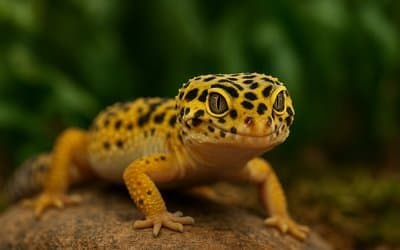
Leopard Gecko
Feeding, habitat & temperature tips

Cockatiel
Caring for social and intelligent birds
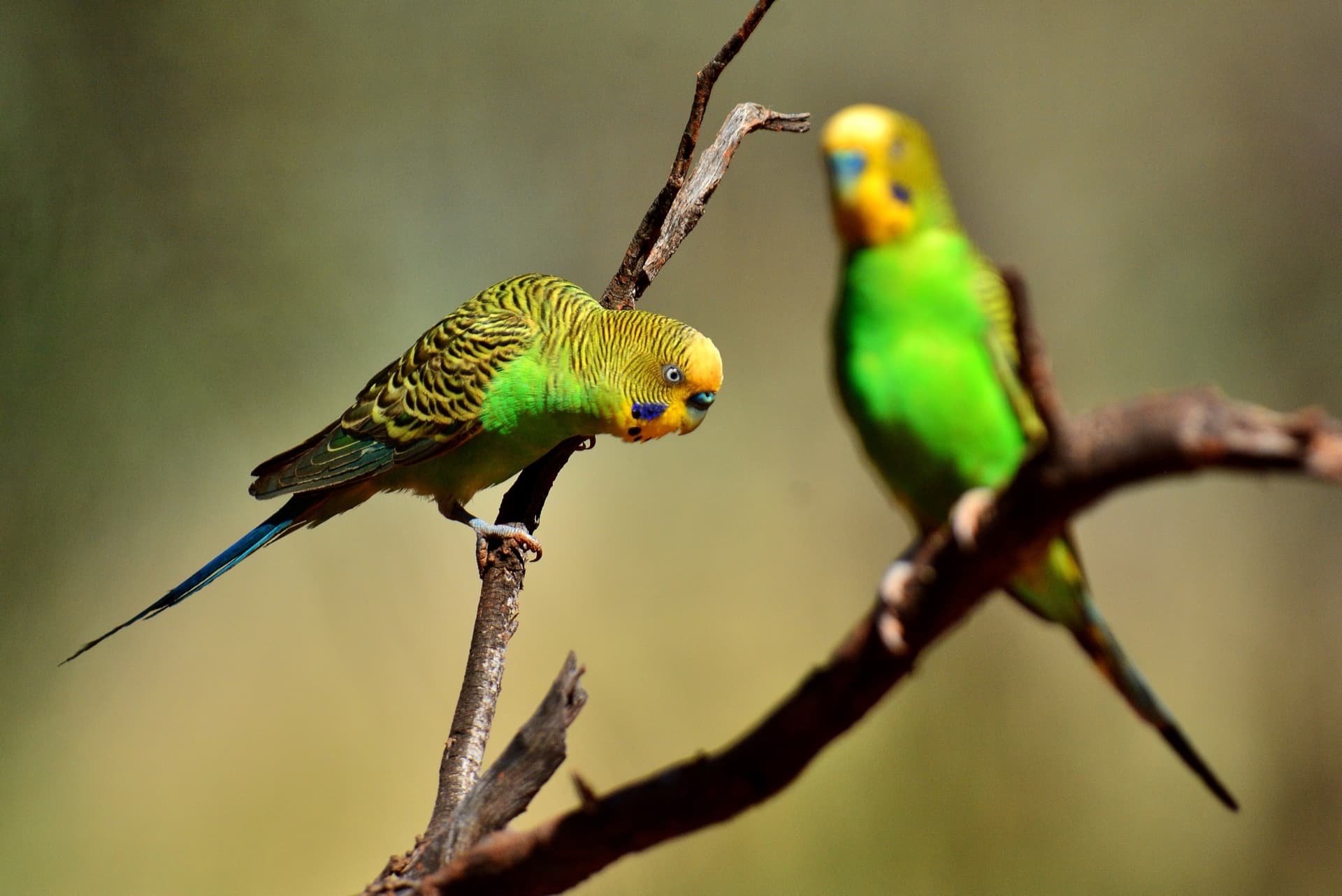
Budgerigar
Daily care and nutrition
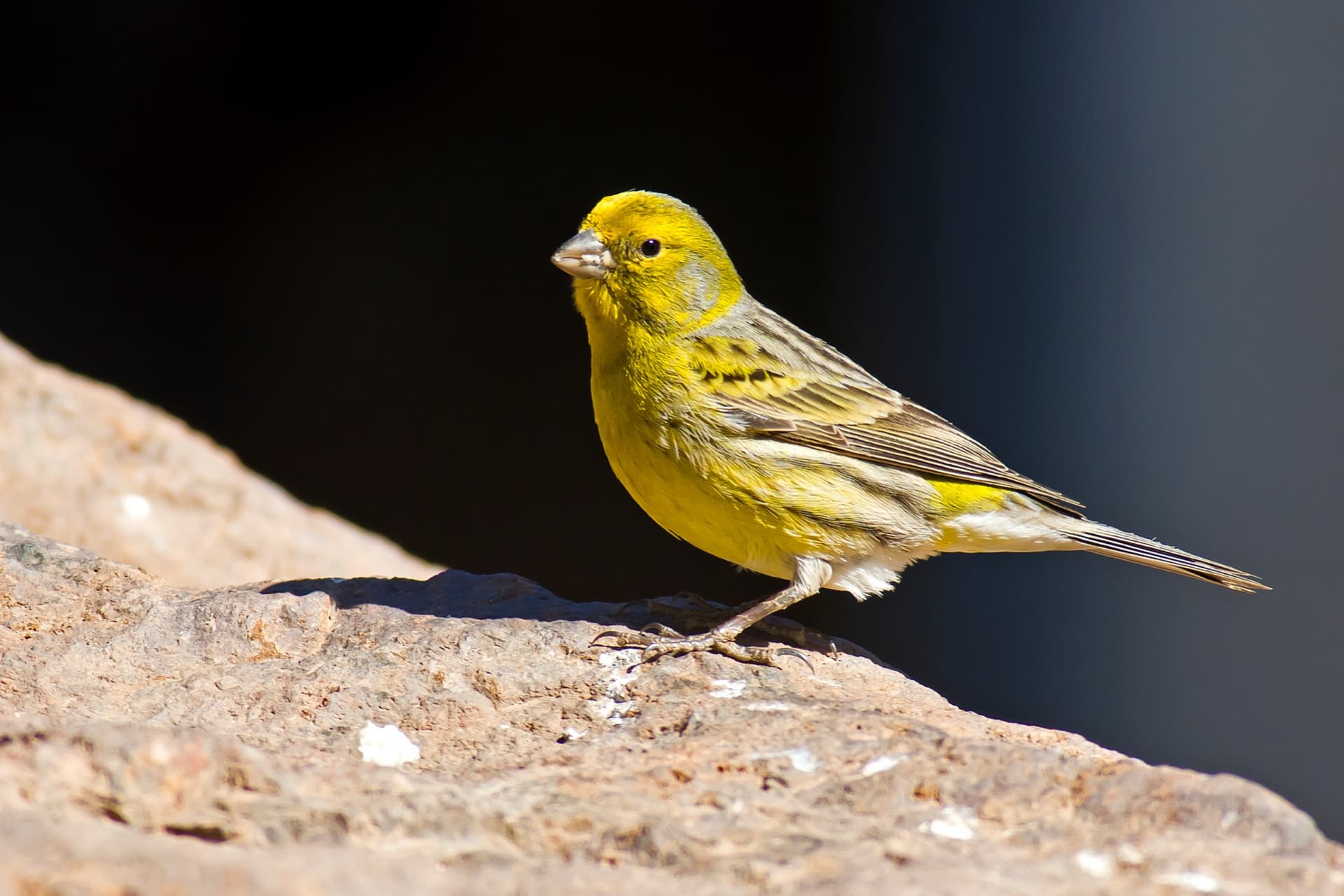
Canary
Space, diet and health essentials
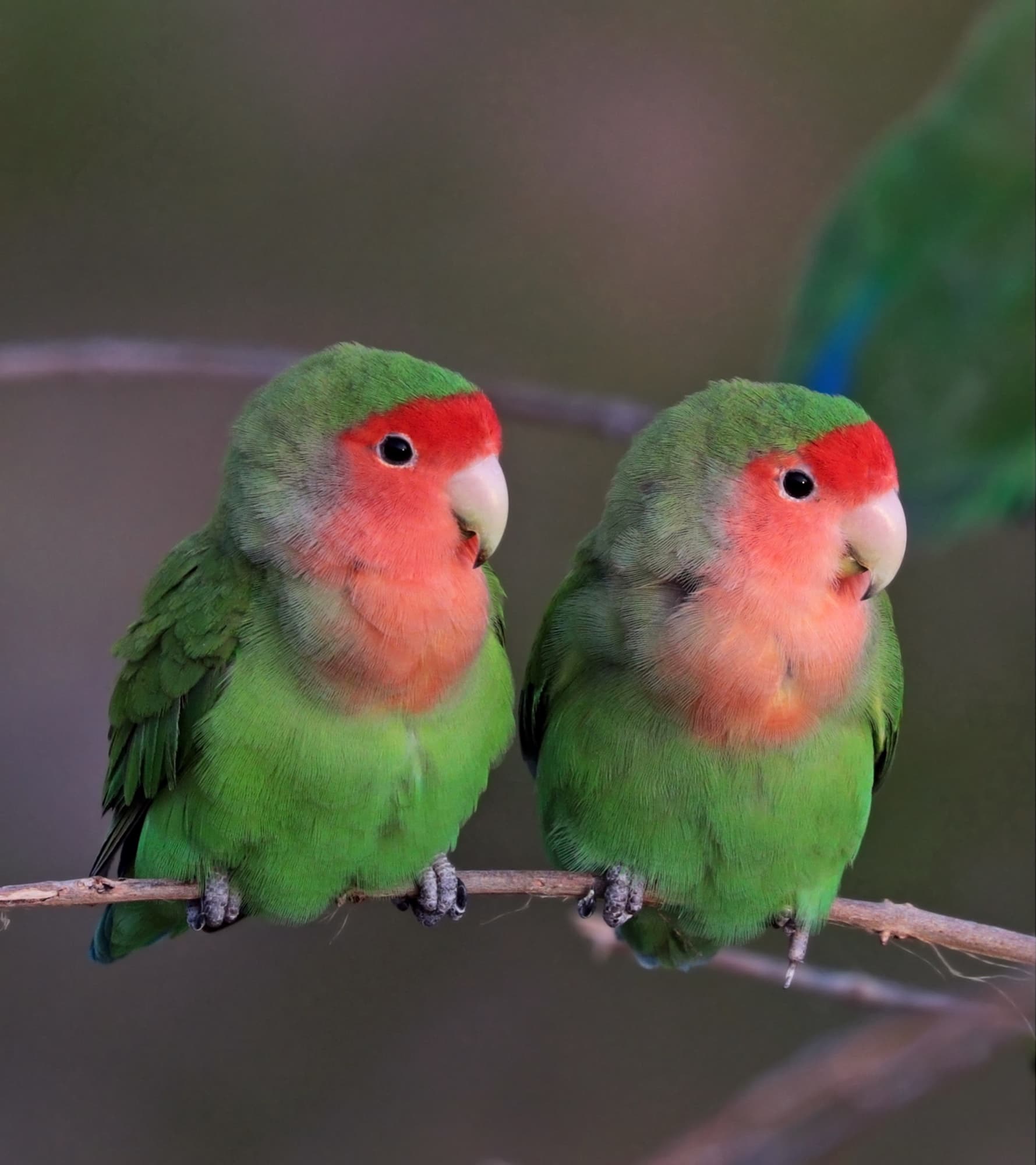
Lovebird
Bonding and wellbeing guide
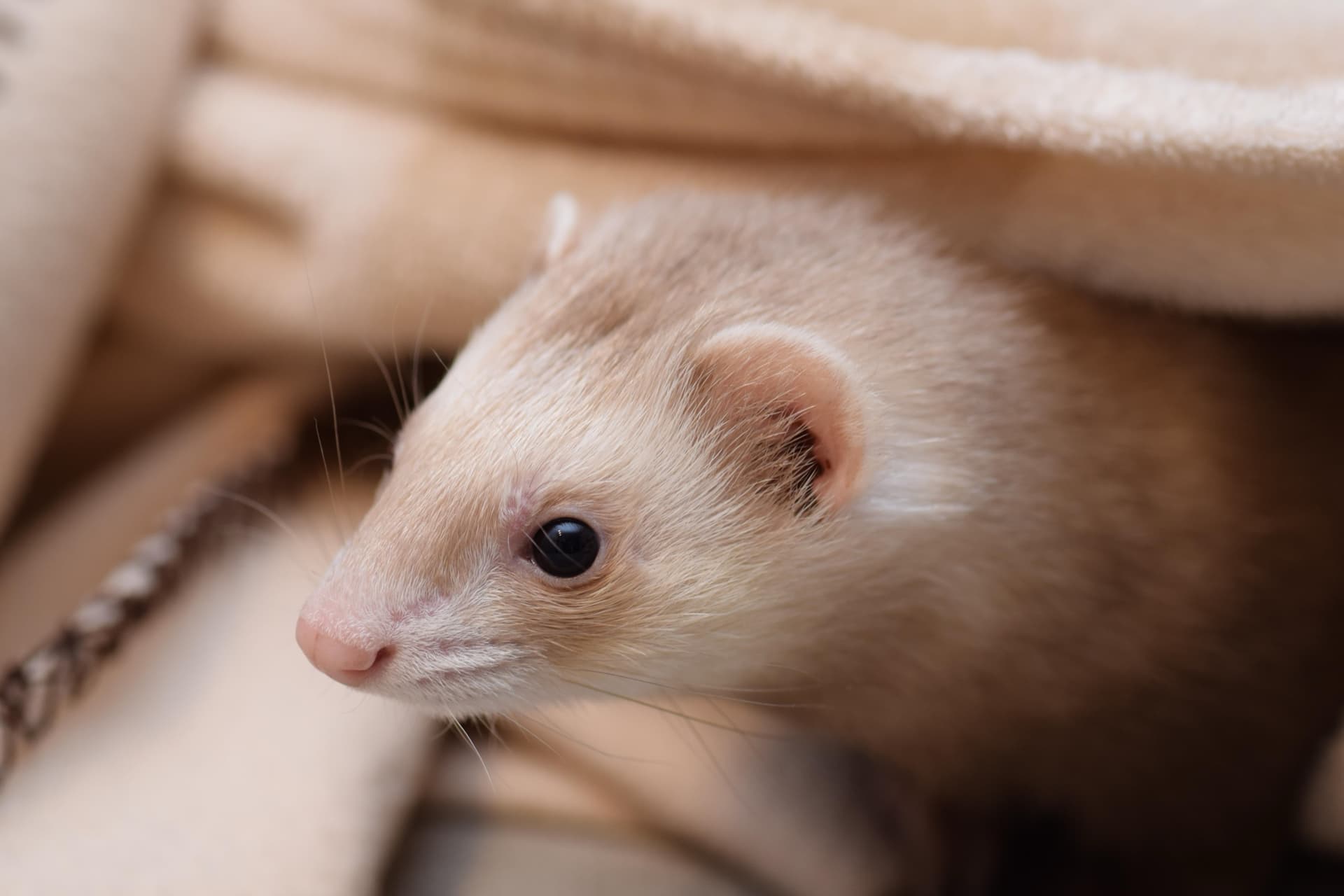
Ferret
Active pet care essentials
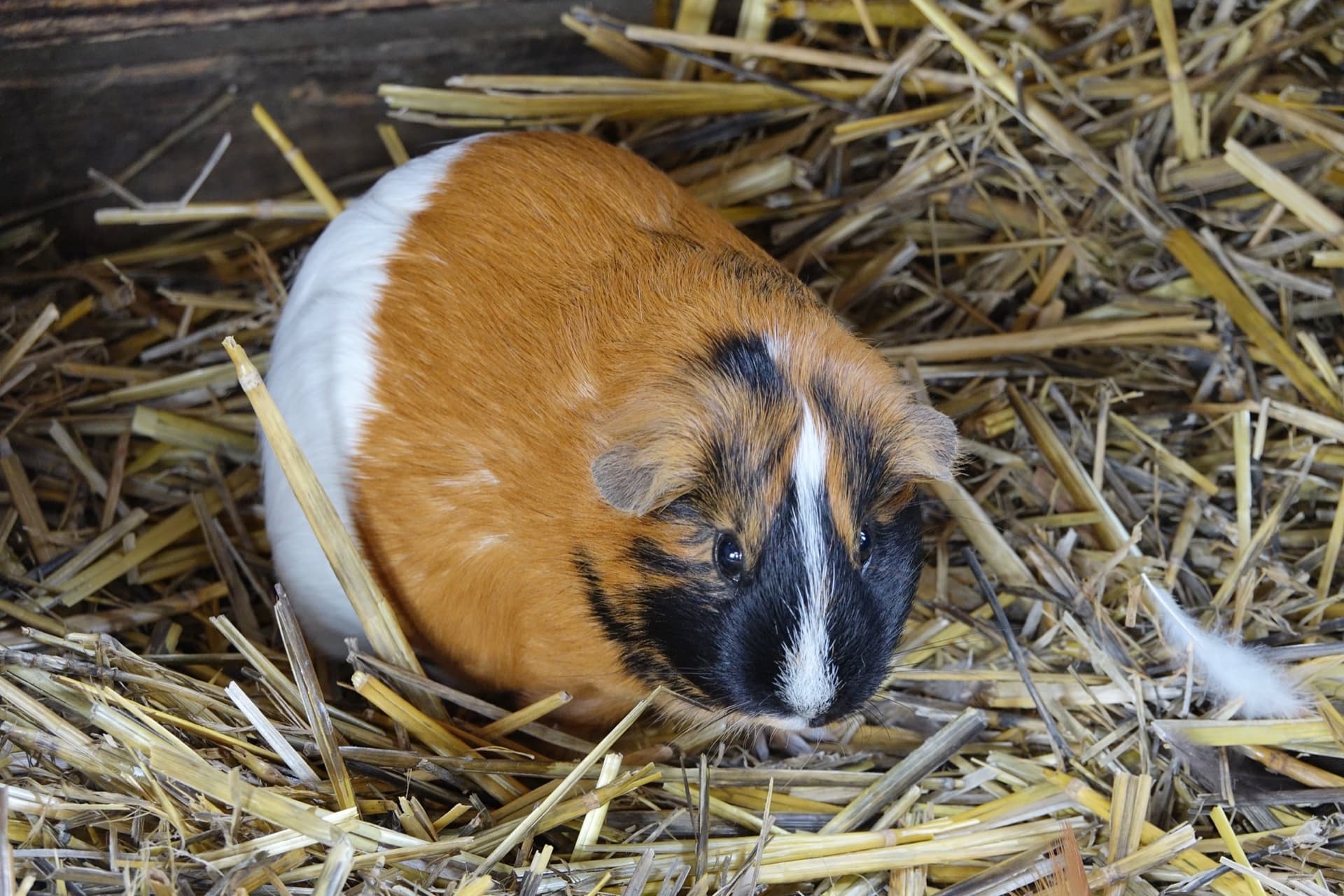
Guinea Pig
Complete beginner guide
Chinchilla
Specialist care requirements
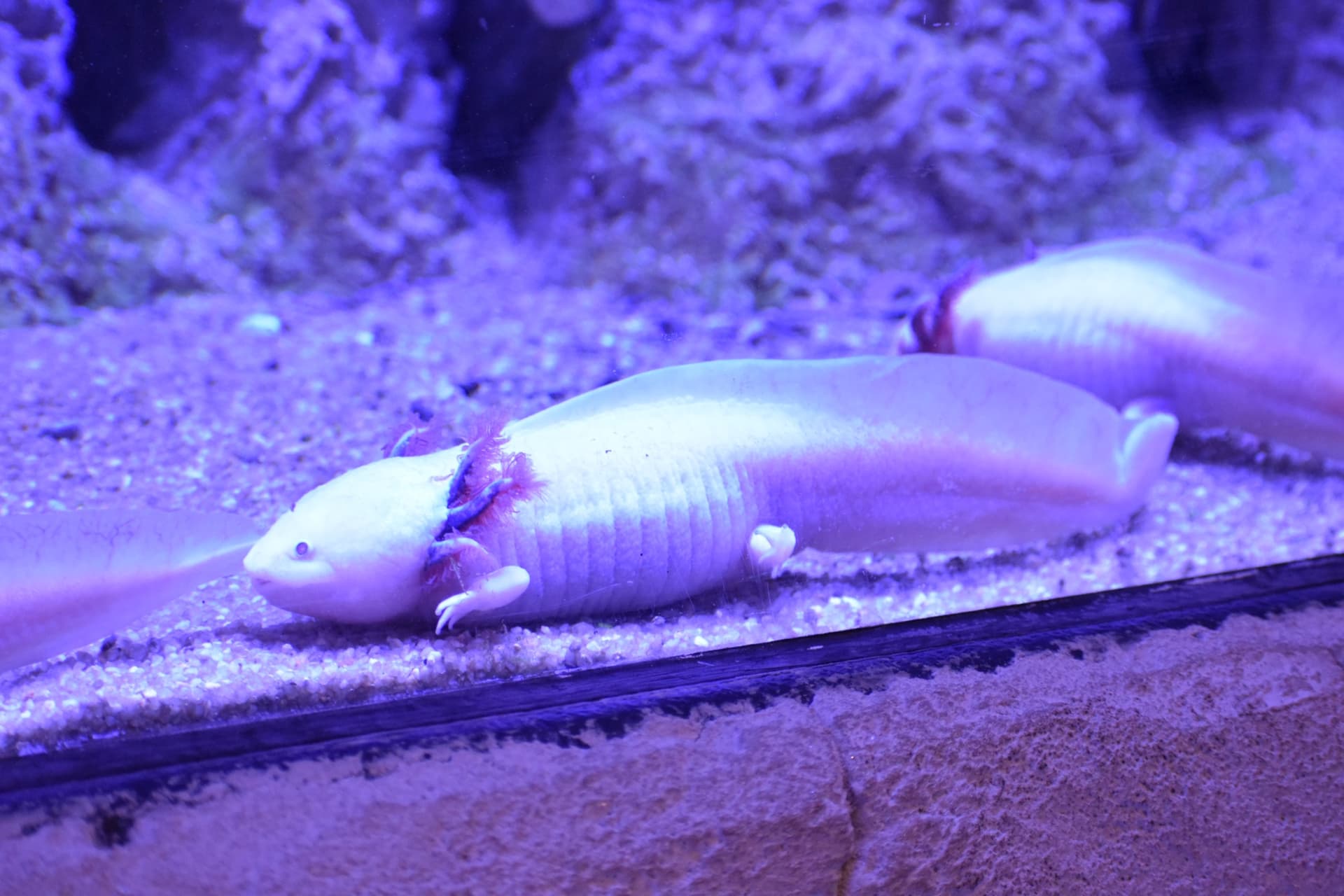
Axolotl
Aquatic habitat and care
Latest Articles
Expert insights, health advice and setup guides for exotic owners across the UK.

Cockatiel Care Guide UK — Cage Size, Diet, Costs and Daily Care (2026)
Cockatiel care in the UK, made practical: a cage of at least 96 cm each way, six hours' daily flight, a pellet-based diet and a yearly avian vet check. Budget about £310–£560 to start and £175–£265 a year.

Bioactive Vivarium Setup UK: Complete Step-by-Step Guide (2026)
Thinking about switching to a bioactive vivarium? Here's the full UK build: drainage layer, substrate, clean-up crew, cycling time and real costs — checked against RSPCA guidance.

Axolotl Health Problems UK: Fungus, Stress Signs & Treatment (2026)
Worried about your axolotl? Learn to spot the early signs of illness — fungus, curled gills, floating, appetite loss — plus what each one means, how UK water and heatwaves make things worse, and when to call an exotic vet.
BritExotics StoreAD
Starter Kit Lists — Curated for UK Keepers
Every product hand-vetted: correct spec, welfare-first, UK stock checked monthly. Skip the 40 open tabs.
11 itemsBearded Dragon
Starter Kit (UK)
See the full list →
 11 items
Leopard Gecko
Starter Kit (UK)
See the full list →
11 itemsAxolotl
Starter Kit (UK)
See the full list →
13 itemsChinchilla
Starter Kit (UK)
See the full list →
Available at Amazon · shop/britexotics01
Frequently Asked Questions
Everything you need to know about keeping exotic pets in the UK
What exotic pets are legal in the UK?
Most common exotic pets are legal in the UK without a licence, including bearded dragons, leopard geckos, corn snakes, ball pythons, budgerigars, cockatiels, chinchillas, guinea pigs, and ferrets. However, some species require a Dangerous Wild Animals (DWA) licence (e.g., venomous snakes, primates), and certain species are banned under Invasive Alien Species (IAS) regulations (e.g., red-eared slider turtles). Always check current legislation before acquiring any exotic pet.
Do I need a licence for an exotic pet in the UK?
Most beginner-friendly exotic pets like bearded dragons, leopard geckos, and budgerigars do NOT require a licence in the UK. However, a Dangerous Wild Animals (DWA) licence is required for species deemed dangerous under the DWA Act 1976, including listed venomous reptiles, crocodilians and certain primates; boas and pythons are not listed by length in England and Wales. Licences are issued by your local council and require inspections. Check our legal hub for species-specific requirements.
How much does it cost to keep an exotic pet in the UK?
Initial setup costs range from £150-£600 depending on species (enclosure, heating, lighting, substrate). Monthly running costs typically range from £15-£40 for food, electricity, and substrate. Annual veterinary checkups cost £40-£80 for routine care. Emergency vet visits can cost £100-£300. Exotic pet insurance (£8-£25/month) is recommended. Total first-year cost is typically £400-£900, then £200-£500 annually.
What should I feed my exotic pet?
Diet varies greatly by species. Bearded dragons eat insects (80% juvenile, 20% adult) and vegetables (20% juvenile, 80% adult). Leopard geckos eat live insects only (crickets, dubia roaches, mealworms). Ball pythons eat appropriately-sized frozen/thawed rodents every 1-2 weeks. Birds eat species-specific pellets, seeds, and fresh vegetables. Always research your specific species' dietary needs and dust insect feeders with calcium powder.
Where can I find an exotic vet near me in the UK?
Use BritExotics' vet directory to find RCVS-registered exotic animal specialists across 12 major UK cities including London, Manchester, Birmingham, Edinburgh, and Glasgow. Browse by area and check emergency service types and access conditions. Call to confirm your species. Not all general practice vets treat exotic animals—always choose a vet with exotic animal certification or extensive experience with your pet's species.
Are exotic pets suitable for beginners?
Yes! Many exotic pets are excellent for beginners. Top beginner-friendly species include leopard geckos (easiest reptile), bearded dragons (most interactive reptile), corn snakes (easiest snake), budgerigars (easiest bird), and guinea pigs (easiest mammal). These species are hardy, have straightforward care requirements, tolerate handling well, and are widely supported by UK exotic vets. Avoid advanced species like chameleons, axolotls, or African grey parrots as your first exotic pet.