

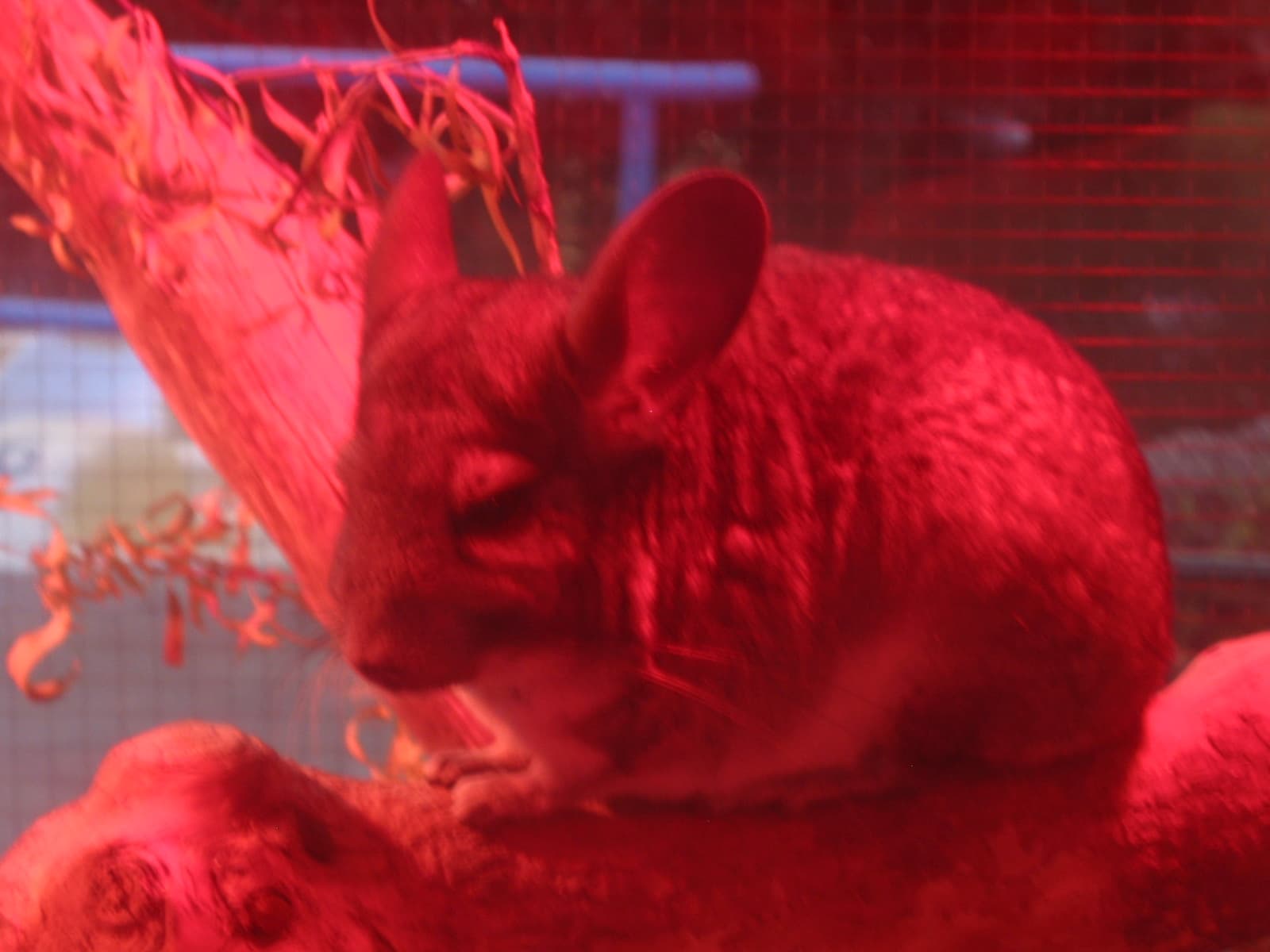
Chinchilla
Chinchilla chinchilla
Incredibly soft, acrobatic rodents with long lifespans—stunning UK pets for patient owners.
Essential Care Requirements
Temperature
16-21°C - CRITICAL
Humidity
30-50% maximum
Diet
herbivore
Space Required
minimum cage: 90x60x90cm
recommended: 120x60x120cm (tall)
Behavior & Temperament
Temperament
active, acrobatic
Activity
nocturnal
Social Needs
can be housed alone or in pairs
Personality
curious, active, can be skittish
Health Considerations
Common Health Issues:
- •overheating (fatal)
- •dental problems
- •fur slip (stress response)
- •gastrointestinal issues
- •fungal infections
Veterinary Care:
annual checkup
Things to Consider
Advantages
- ✓Very long lifespan
- ✓Incredibly soft fur
- ✓Entertaining to watch
- ✓Don't smell
- ✓Minimal grooming needs
- ✓Interesting behaviors
Challenges
- ✗Extremely temperature sensitive
- ✗Cannot get wet
- ✗Nocturnal (noisy at night)
- ✗Expensive specialized diet
- ✗Stress easily
- ✗Need dust baths (messy)
- ✗Not cuddly pets
UK-Specific Information
Climate
UK summers can be dangerous - need cooling
Suppliers
Specialist breeders
Vet Availability
Need experienced exotic vets
Legal Status
No restrictions
Based on UK DEFRA and CITES guidelines.
Ready to Care for a Chinchilla?
Find a specialised exotic vet near you for professional advice.
BritExotics StoreAD
Chinchilla Starter Kit (UK)
13 hand-vetted products — welfare-first, correct spec, UK stock checked monthly. Skip the 40 open tabs.
See the full 13-item kit list →Available at Amazon · shop/britexotics01
Expert Guides for Your Chinchilla

Chinchilla Health Problems UK: 9 Illnesses, Warning Signs & Vet Costs (2026)
The chinchilla health problems UK owners meet most — dental disease, heatstroke, GI stasis, bloat and fur chewing — with the early signs, what causes them, prevention and exotic vet costs from £40. RSPCA and Merck-verified.

How to Keep a Chinchilla Cool in UK Summer — Heatstroke Prevention (2026)
Chinchillas overheat fast in UK homes without air conditioning. Learn the safe temperature range, the warning signs of heatstroke, proven cooling methods, and the emergency steps that can save your chinchilla's life.
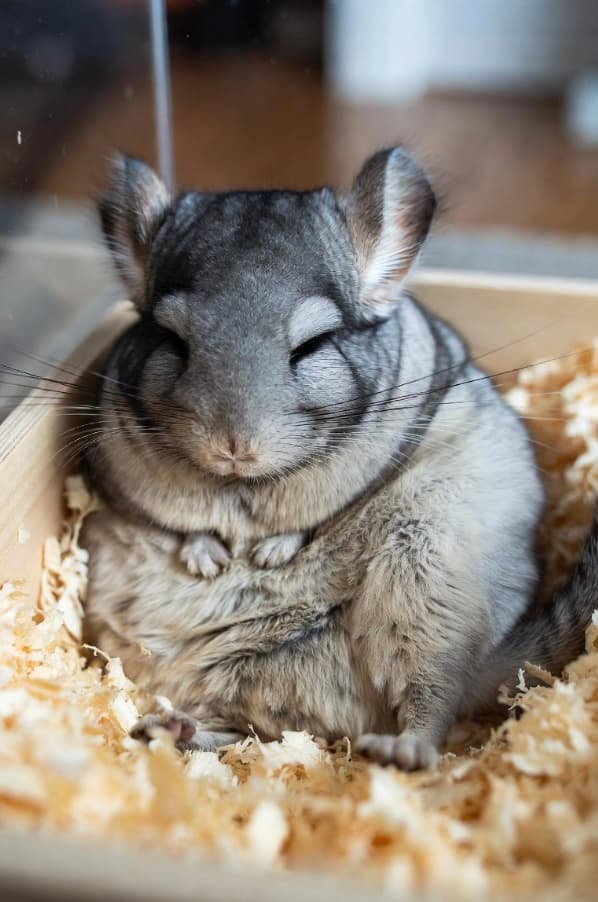
Chinchilla Care Guide: Everything You Need to Know for UK Owners
From dust baths to temperature control, learn how to keep your chinchilla healthy and happy in the UK climate. Expert advice for new and experienced owners.
Chinchilla Care: Common Questions
Everything you need to know about keeping Chinchilla in the UK
Yes, chinchillas are completely legal in the UK without any licence requirements. They are NOT on the Dangerous Wild Animals (DWA) list and require no permits to own. Chinchillas have been domesticated pets for decades and are widely available from UK breeders and pet shops. No council registration or special permissions needed. They're classified as exotic pets but are legal under all UK pet legislation including the Animal Welfare Act 2006.
No, you do not need any licence to keep a chinchilla in the UK. Chinchillas are legal domestic pets that don't fall under the Dangerous Wild Animals Act 1976 or any other licensing requirements. Unlike some exotic mammals, chinchillas pose no public safety risk and are not considered invasive species. You can legally buy, keep, breed, and sell chinchillas without any permits. The only legal requirement is meeting Animal Welfare Act 2006 standards for proper care.
Chinchillas need cool temperatures between 16-21°C (60-70°F). They cannot tolerate heat above 24°C (75°F)—temperatures over 26°C can cause fatal heatstroke. UK summers can be dangerous for chinchillas, often requiring air conditioning or cooling systems. Their dense fur (80 hairs per follicle vs 1-4 in humans) makes them extremely heat-sensitive. Keep them in the coolest room of your house, away from radiators and direct sunlight. Use ceramic tiles or granite slabs as cool spots.
Chinchillas are one of the longest-lived rodents, typically living 10-15 years in captivity with excellent care. Some individuals have lived past 20 years. This makes them a significant long-term commitment—longer than most dogs. Lifespan depends on diet quality (timothy hay-based), proper temperature control (16-21°C), daily dust baths, and prevention of dental problems. Regular veterinary checkups with an exotic-experienced vet help catch issues early. Plan for at least 15 years of care.
No, chinchillas should NEVER get wet with water. Their incredibly dense fur (20,000 hairs per cm²) takes hours to dry and can develop fungal infections if damp. Wet chinchillas can also suffer from hypothermia or skin issues. Instead of water baths, chinchillas clean themselves with dust baths using special volcanic dust (available from UK pet shops). Provide 10-15 minutes of dust bath access daily. If a chinchilla gets wet accidentally, gently towel dry and keep warm until fully dry.
Chinchillas need a simple, high-fibre diet: unlimited timothy hay (80-90% of diet), small amount of chinchilla pellets (1-2 tablespoons daily), and occasional dried rose hips as treats. Avoid fresh fruit and vegetables—their sensitive digestive systems can't handle sugar or moisture. Never give nuts, seeds, or processed human food. Fresh water daily. Timothy hay is widely available from UK pet shops and online. Proper diet prevents the common dental problems chinchillas are prone to.